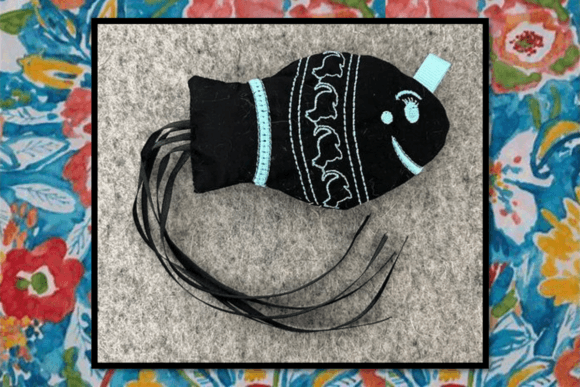
Cat Fish Toy in the Hoop
First Impression: Playful, Practical, and Instantly Relatable
As an embroidery designer who’s prepped over 200 craft fair booths—and shipped thousands of digital embroidery files to Etsy sellers and boutique makers—I opened Cat Fish Toy in the Hoop expecting charm, not complexity. What I found was refreshingly direct: a concept that lands with clarity, warmth, and wit. It reads as cute, yes—but more importantly, it feels intentional. Not farmhouse, not minimalist, not vintage—it’s playful modern: a wink to cat lovers, a nod to resourceful makers, and a quiet celebration of handmade joy. The title alone sparks recognition—no decoding needed. That’s gold at a crowded craft fair where attention spans are measured in seconds.
Where It Shines on Craft Fair & Handmade Products
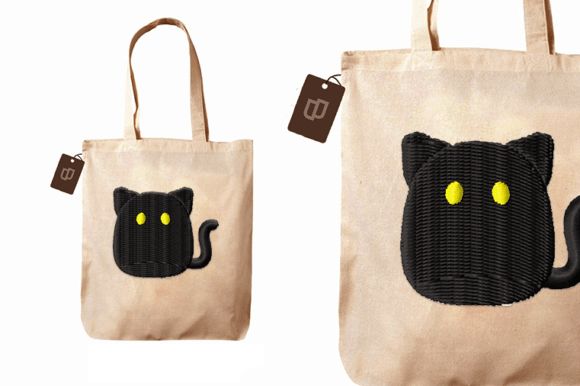
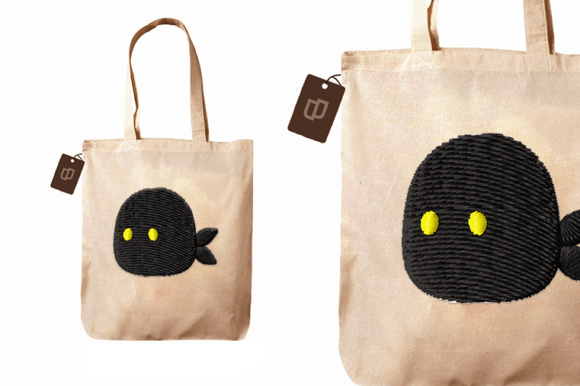
Cat Fish Toy in the Hoop isn’t just a machine embroidery design—it’s a versatile storytelling device. On a tote bag design, it works best centered near the bottom hem: small enough to feel curated, bold enough to catch eyes from three feet away. As apron embroidery, place it just above the pocket—it adds personality without competing with functionality. For tea towel embroidery, stitch it on the lower corner in contrasting blues (as suggested), and it becomes both decorative and thematic—ideal for cat-loving bakers or coffee shop owners shopping for small shop products.
It transforms into a standout embroidered patch with minimal adjustment—just add a clean merrowed or satin-stitched border. Mounted on a cork-backed display card at your booth, it invites touch and conversation. As a pillow cover motif, scale it up slightly (3.5–4 inches wide) and pair with tone-on-tone blue linen—it reads premium, not precious. And for commercial embroidery on market bags or fabric pouches? It’s a natural fit: compact, brandable, and unmistakably handmade.
What Makes It Sell—And What Requires Care
This digital embroidery file succeeds because it’s immediately legible. No tiny lettering. No micro-details lost in stitching. No dense fill areas that risk puckering on lightweight cotton. That means faster production, fewer re-hooping moments, and consistent results across batch runs—critical when you’re embroidering 30+ tote bags the night before a fair.
That said: stitch density still matters. If the fish body uses tight satin fills, test it on your target fabric *before* cutting yardage. Avoid pairing it with heavily textured towels or thick canvas unless you’ve confirmed stabilizer support (a medium-weight cutaway works best). Curved surfaces—like caps—require digitizing adjustments; this file wasn’t described as cap-optimized, so proceed with caution or re-digitize for that use case.
Also note: “Stitch the fish with blue thread on a different shade of blue” is a quiet genius directive. It implies built-in depth and dimension—no need for shading or gradients. But it *does* mean color testing is non-negotiable. A navy-on-slate combo reads rich; a sky-blue-on-teal can blur. Always compare thread colors against your actual fabric swatches—not your screen.
Booth Presence, Buyer Engagement & Brand Alignment
In a sea of florals and quotes, Cat Fish Toy in the Hoop stands out by speaking a specific language: love, play, and mindful making. It doesn’t shout—it *smirks*, then invites connection. Customers pause, smile, say, “My cat would lose her mind over this.” That’s your opening to talk about durability, safety (no loose parts!), and how it doubles as a scrap-busting win. That story sticks.
Visually, it strengthens booth cohesion. Pair it with other animal-themed embroidery files—or even contrast it with botanical tea towel designs—and it adds joyful rhythm. It supports brand consistency for makers who lean into warmth, humor, and intentional simplicity. And unlike generic motifs, it encourages repeat engagement: buyers remember the fish. They come back for matching patches or pillow covers. That’s long-term value in a single machine embroidery design.
Real-World Designer Notes Before You Stitch
- Test on scrap fabric first—especially if using textured weaves or dark backgrounds where thread contrast may fade.
- Check spacing and clearances: Ensure fins and tail don’t run too close to edge lines if using it on curved items like pouches.
- Confirm hoop size—this design likely fits standard 4x4 or 5x7 hoops, but verify before loading dozens of files.
- Inspect stitch density in high-detail zones (like eye or gill lines); reduce density if your machine hesitates or fabric distorts.
- Use the right stabilizer: Tear-away for stable wovens, cutaway for knits or stretchy blends.
- Create at least one real mockup—not just a printable mockup. See how light hits the thread, how it drapes, how it feels in hand.
- Compare fabric colors side-by-side under natural and booth lighting—what looks distinct on screen may blend in person.
- Confirm commercial licensing before selling finished products. This is a digital embroidery file, not a royalty-free asset—always check terms.
Final Thought: A Small Design With Big Handmade Heart
Cat Fish Toy in the Hoop isn’t flashy—but it’s fiercely functional, emotionally resonant, and quietly smart. It respects the maker’s time, honors the buyer’s values (sustainability, joy, cat-centric living), and elevates the humble handmade product into something memorable. In a market flooded with sameness, it’s the kind of craft fair product that starts conversations, earns Instagram tags, and returns as a holiday gift request. Stitch it thoughtfully, present it proudly, and watch it swim straight into hearts—and carts.