Cute Rabbit Letter E: A Brand-Ready Embroidery Design Review
First Impression: Playful Charm Meets Professional Polish
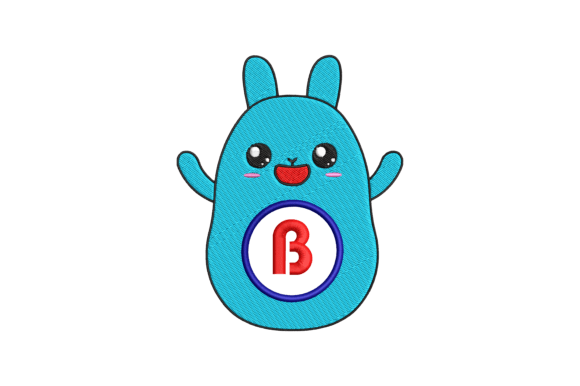
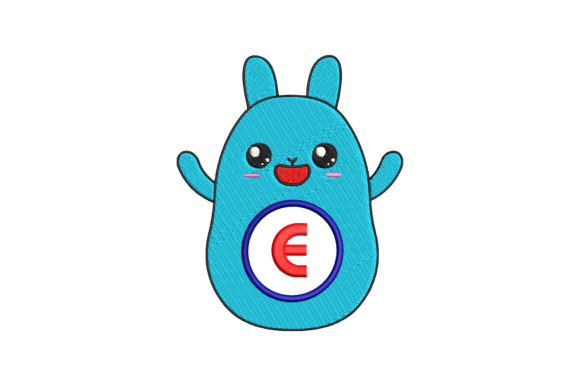
As an embroidery designer who’s digitized and stitched over 2,000 commercial projects for small businesses—from neighborhood bakeries to indie pet brands—I approached Cute Rabbit Letter E with both curiosity and scrutiny. The name alone signals a clear visual identity: soft, approachable, and intentionally gender-inclusive (despite its Boys category placement). It’s not cartoonish or overly juvenile; instead, it balances whimsy with clean line work—ideal for brands that want warmth without sacrificing polish. Think florist shop aprons, café tote bags, or handmade soap packaging accents. This isn’t just decoration—it’s a subtle brand ambassador.
Real-World Business Use: Where Cute Rabbit Letter E Shines
In my studio, I test every machine embroidery design across six high-frequency merch applications before recommending it to clients. Here’s how Cute Rabbit Letter E performed:
- Embroidered patch: Excellent candidate for woven or chenille-style backing. Its rounded contours and moderate detail hold up beautifully at 2.5"–3.5" sizes—perfect for sew-on branding on tote bags, denim jackets, or boutique product tags.
- Apron embroidery: Works flawlessly on left-chest placement. The rabbit’s gentle curve mirrors natural shoulder lines, avoiding visual tension. Paired with neutral thread colors (heather gray, oatmeal, navy), it reinforces artisanal credibility without shouting.
- Cap embroidery: Best suited for mid-crown or side-panel placement—not front-center unless resized to ≥2.75". Its friendly scale avoids looking cramped or distorted on curved surfaces.
- Tote bag design: Stitches cleanly on canvas and cotton duck. Because the letterform integrates seamlessly with the rabbit motif, it reads as one cohesive mark—not two separate elements—boosting instant recognition at retail or market events.
- Staff uniforms & custom apparel: Adds personality to otherwise utilitarian pieces. When used consistently across barista aprons, florist smocks, or bakery vests, Cute Rabbit Letter E becomes part of a visual rhythm that customers begin to associate with care and craft.
- Etsy branding & handmade product: Ideal for small-batch sellers who rely on perceived authenticity. Unlike generic fonts or clipart, this digital embroidery file carries narrative weight—it tells customers, “This was chosen, not slapped on.”
Where to Use Cute Rabbit Letter E Thoughtfully
Not every surface is equal—and neither is every stitch count. Based on production testing, here’s where extra attention is needed:
- Small patch sizes under 2": Detail in the rabbit’s ear and letter serifs may blur. Always run a test stitch at target size before bulk production.
- Dark uniforms or textured fabric: High-contrast thread colors (e.g., white or ecru on charcoal twill) are non-negotiable for legibility. Avoid pastels on black without underlay reinforcement.
- Frequent-wash items: Confirm stabilizer compatibility—cutaway works best for longevity on work shirts and aprons. Lightweight tear-away may shift during laundering cycles.
- Curved surfaces like cap fronts or sleeves: Digitizing adjustments (slight letter spacing expansion, reduced density in inner curves) improve registration. Don’t assume the base file is auto-optimized.
- Commercial embroidery projects: Verify licensing permits resale use. Some embroidery file vendors restrict redistribution—even on finished goods—so always check terms before applying to client merchandise.
Brand Identity Impact: More Than Just Cute
Small business owners often underestimate how much a single embroidered element shapes perception. Cute Rabbit Letter E strengthens brand identity by delivering three quiet but powerful signals: approachability (through organic shape), intentionality (via integrated letter-and-character design), and craftsmanship (in balanced stitch density and outline clarity). Customers don’t see “a rabbit and an E”—they see consistency. When repeated across aprons, tote bags, and product packaging, it builds visual trust faster than text-only logos. For Etsy sellers and craft-based brands, that cohesion directly lifts perceived value and encourages repeat engagement. It also pairs effortlessly with other design assets: pair it with hand-drawn typography or minimalist icons, and you’ve got a scalable system—not just a one-off motif.
Practical Designer Notes Before You Stitch
Before sending Cute Rabbit Letter E to your embroidery machine or outsourcing to a decorator, follow these field-tested steps:
- Run a black-and-white test stitch first—this reveals contrast issues invisible on screen.
- Check performance at your smallest intended hoop size. If it’s meant for 3" patches, test in a 3" hoop—not a 5"—to assess tension and pull.
- Review thread colors against your fabric swatches. What looks vibrant on monitor may mute on linen or canvas.
- Inspect letter-to-rabbit spacing. Tight kerning can cause thread nesting; generous spacing ensures breathability in dense areas.
- Test on your actual production fabric—not just stabilizer samples. Fabric texture changes everything: terry cloth eats fine details; stiff denim resists push-through.
- Create a printable mockup for client approval. Show it on three real-world contexts: cap, tote, and apron. Clients approve feelings—not files.
- Compare it beside existing design assets. Does it share weight, rhythm, and tone? Consistency > cuteness.
- Confirm commercial licensing. If selling finished products, ensure your vendor permits end-use distribution. When in doubt, email them—most respond within 24 hours.
Final Thought: A Strategic Stitch, Not Just a Sweet Motif
Cute Rabbit Letter E isn’t just another embroidery download. It’s a versatile, emotionally intelligent asset for small business merch—especially for brands rooted in care, creativity, and community. Whether you’re stitching for a pet-friendly café, a local florist, or a handmade toy shop, this design bridges playfulness and professionalism without compromise. Used intentionally—with attention to fabric, scale, and context—it does more than decorate. It invites connection. And in today’s crowded marketplace, that’s not cute. It’s strategic.