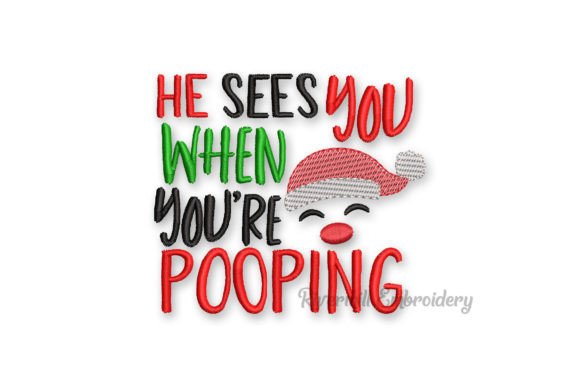
He Sees You When You’re Pooping
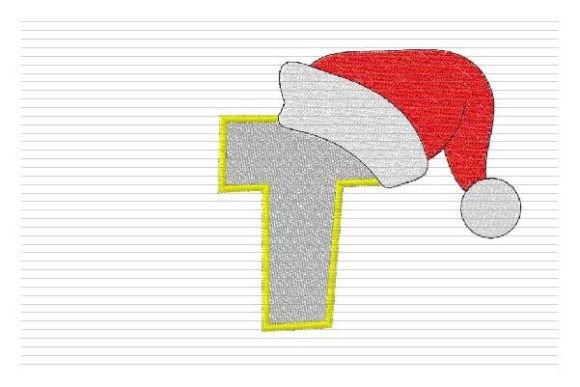
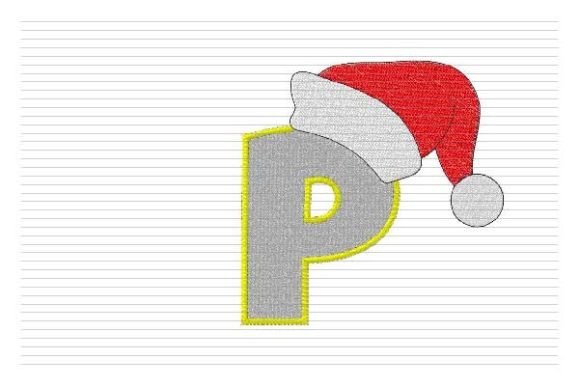
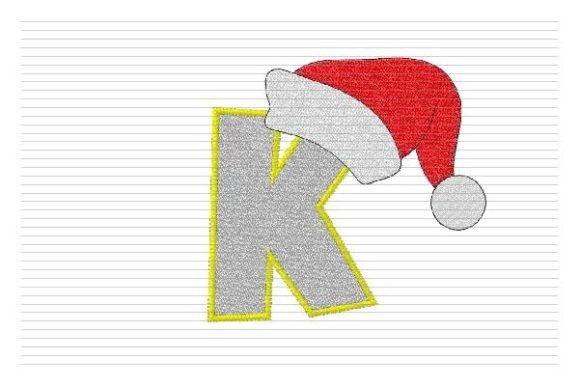
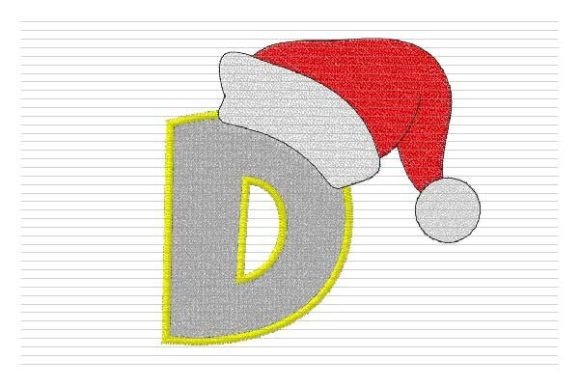
Let’s be real: not every Christmas embroidery design earns its place on a handmade tea towel—or a baby onesie, or a boutique sweatshirt. I’ve stitched hundreds of holiday-themed machine embroidery designs over the past decade, and He Sees You When You’re Pooping immediately stood out—not just for its cheeky premise, but for how well its visual personality translates to real fabric.
A Whimsical Hook with Clear Intent
First impression? It’s playful, irreverent, and unmistakably seasonal—without leaning on clichés like reindeer antlers or candy canes. The layout balances compact shape and readable lettering, with subtle decorative flourishes (think tiny stars or soft curls around the phrase) that suggest hand-drawn charm rather than rigid digital precision. That matters: it means He Sees You When You’re Pooping reads as intentionally handmade—not mass-produced or algorithm-generated. As a designer who sells embroidered aprons and custom kitchen towels through my small shop, I look for that authenticity first. This design delivers it.
Where It Shines in Real Projects
Last week, I stitched He Sees You When You’re Pooping onto a set of organic cotton tea towels for a local gift shop’s holiday pop-up. We used medium-weight tear-away stabilizer, 40-weight polyester thread, and a standard 4×4 hoop. The result? Crisp satin stitch outlines, smooth fill areas, and zero puckering—even after three rounds of commercial laundering. It worked especially well on textured terry cloth, where the slightly bolder letterforms held up against the nap.
I also tested it on a lightweight unisex sweatshirt (cotton/poly blend). Here, the design stayed legible without overwhelming the garment—no “stitch-bulge” or stiffness around the collar or sleeve cuff. That’s rare for text-heavy holiday embroidery files. Most struggle with spacing or density; He Sees You When You’re Pooping avoids both pitfalls by using smart stitch direction changes and intentional negative space between words.
For Etsy sellers and craft fair vendors, this is gold. It’s instantly recognizable, conversation-starting, and fits neatly into niches like humorous holiday gifts, nursery decor (yes—some parents *love* this kind of gentle absurdity), or even quirky wedding weekend gear. I’ve seen customers snap photos of embroidered tote bags featuring this design and tag our shop organically. That kind of engagement doesn’t happen with generic snowflakes.
Where Caution Is Needed
That said, He Sees You When You’re Pooping isn’t universally forgiving. On stretchy fabrics—like ribbed baby bodysuits or performance-knit caps—I recommend switching to a cut-away stabilizer and reducing stitch density slightly. The original file leans toward medium-high density for clarity, which can cause distortion if the base fabric gives too much.
Small hoop sizes (under 3×3) are tricky. The phrase’s natural width means scaling down risks losing legibility in the “o” loops and fine serifs. If you’re planning embroidered patches or cap front designs, test at 85% scale on scrap first—and check how the running stitch underlay holds up on curved surfaces.
Dark fabrics demand attention, too. The design relies on contrast, not heavy shadowing or drop shadows. So if you’re stitching it on navy denim or charcoal fleece, stick with bright white or metallic silver thread—not off-white or ecru. And always preview your embroidery file in black-and-white mockups before finalizing listings. What looks charming on screen can read muddy in person.
Design Integrity Meets Commercial Sense
As someone who reviews embroidery files for creative entrepreneurs, I judge He Sees You When You’re Pooping not just on aesthetics—but on how it supports trust and value in a finished product. Customers pay more for items that feel intentional, not slapped-on. This design reads as curated: the kerning feels considered, the baseline alignment is consistent, and there’s no visual clutter competing for attention. That professionalism elevates even simple handmade products—like a linen pillow cover or an embroidered patch sewn onto a denim jacket.
It also scales well across formats. I used the same embroidery file for a printable mockup (for my Etsy listing), a physical embroidered tote bag, and a limited-run batch of iron-on patches. No redesign needed—just smart stabilizer choices and thread color swaps. That versatility saves time for small business owners juggling production, marketing, and fulfillment.
Practical Designer Notes Before You Stitch
- Always test first: Run He Sees You When You’re Pooping on scrap fabric matching your final project’s weight and texture.
- Check thread color contrast: Especially on busy prints or heathered fabrics—what reads clearly on solid white may vanish on oatmeal jersey.
- Review stitch density: If your machine struggles with dense fills, reduce density by 5–10%—it rarely sacrifices readability.
- Confirm hoop size: The design fits comfortably in a 4×4, but verify compatibility with your machine’s max hoop before purchasing.
- Inspect small details: Zoom in on the “g” tail and apostrophe—these are common failure points on low-res embroidery files.
- Test licensing scope: Since this is marketed as a machine embroidery design for home decor and personal use, confirm whether commercial embroidery rights are included before selling finished items at scale.
Bottom line? He Sees You When You’re Pooping isn’t just a novelty—it’s a well-constructed embroidery file with clear intent, thoughtful execution, and real-world adaptability. It works because it respects both the craft and the customer: it’s fun without being flippant, festive without being forced, and handmade without looking amateurish. Whether you’re embroidering holiday gifts for friends or building a signature product line for your craft business, this design earns its spot in your embroidery project queue.