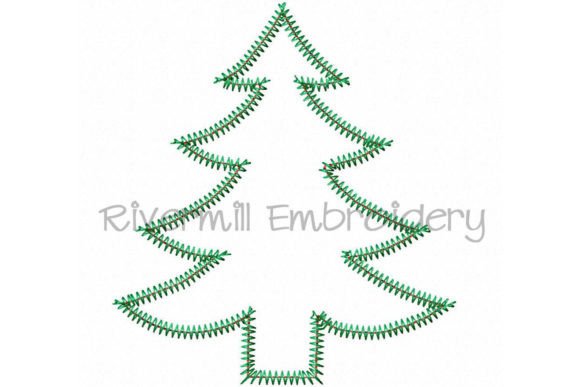
Zig Zag Applique Christmas Tree
A Playful, Textured Touch for Boutique Holiday Apparel
As an embroidery designer who’s developed collections for small clothing brands and Etsy sellers over the past decade, I opened Zig Zag Applique Christmas Tree with a clear question: does it bring *character*—not just holiday cheer—to apparel? The answer is yes. At first glance, this design reads as cheerful and handmade—not stiff or overly digitized. The zig zag border isn’t just decorative; it adds rhythmic texture, almost like hand-stitched braid or folded ribbon. It feels intentionally tactile, which is rare in appliqué files. That quality translates beautifully to boutique sweatshirts and cozy hoodies where customers value authenticity over polish.
How It Performs Across Real Apparel Surfaces
Sweatshirt embroidery is where Zig Zag Applique Christmas Tree shines most. On neutral heather grey or oatmeal fleece, the contrast between clean fabric and lively zig zag edge creates instant visual warmth. For hoodie chest placement—my go-to for seasonal collections—I’d position it centered at 3.5”–4.5” wide (depending on size variant), allowing room for the appliqué shape to breathe without crowding seams or pockets. The design’s moderate stitch density avoids stiffness, so it moves naturally with the garment instead of cracking or lifting after wear.
On t-shirts, especially lightweight jersey or cotton blends, I recommend using a light cutaway stabilizer underneath and testing thread color contrast first. A deep forest green appliqué base with gold or cream zig zag stitching reads luxe on ivory tees; a red-and-white combo pops cleanly on navy. For denim jackets, the zig zag border handles the fabric’s rigidity well—it doesn’t sink or distort, and the appliqué shape holds its outline even across curved shoulders.
Tote bags and oversized hoodies benefit from the larger sizes included in the Zig Zag Applique Christmas Tree package. The zig zag edge prevents the design from looking “flat” at scale, adding dimension that photographs well in lifestyle product photos. When used as a back design on crewnecks or as a subtle sleeve accent, it reads as intentional branding—not filler. That consistency helps reinforce a boutique brand’s visual identity across multiple SKUs.
Where to Use It Thoughtfully
This isn’t a one-size-fits-all file. Its zig zag border has more physical presence than standard satin-stitch borders, so placement matters. Avoid tight curves like collar bands or narrow cuff hems—those areas compress the zig zag rhythm and risk skipped stitches. On stretchy fabrics like ribbed knits or French terry, stabilize generously and consider reducing top tension slightly to prevent puckering around the appliqué perimeter.
For dark garments, test your appliqué fabric choice: a light cotton or felt will lift beautifully, but avoid translucent synthetics that show stabilizer shadow. And while the design works on fleece, I’d skip ultra-plush or heavily napped textures—the zig zag detail can get visually lost. Always test on scrap fabric cut from the *exact same panel* of your production garment (e.g., sleeve vs. back yoke), since tension and feed vary across zones.
Impact Beyond the Stitch
What makes Zig Zag Applique Christmas Tree valuable for small shops isn’t just how it looks—it’s how it supports perception. Handmade product buyers respond to details that suggest care: that zig zag isn’t automated flair; it’s a deliberate nod to craft. When featured in Etsy listings or social media graphics, it gives your collection a cohesive, ownable mood—playful but not childish, festive but not kitschy. That builds buyer trust faster than generic snowflakes or scripty “Merry Christmas” text.
It also strengthens visual consistency across your holiday line. Pair it with solid-color crewnecks, minimalist tote bags, and matching beanies—and suddenly you’re not selling isolated items, but a curated seasonal story. Customers recognize the zig zag motif across products, reinforcing brand recall without logos or slogans. That’s commercial embroidery working *with* your voice, not over it.
Practical Designer Notes Before You Stitch
- Test on scrap fabric—especially if using fleece, ribbed knit, or dark apparel. Zig zag edges behave differently across textures.
- Confirm stabilizer choice: medium-weight cutaway for stable knits; tear-away + topping for smoother fabrics like poplin or twill.
- Review thread color contrast before hooping. A high-contrast zig zag (e.g., white on kelly green) reads bolder than low-contrast pairings (cream on beige).
- Check hoop size requirements for your chosen size variant—some Creative Fabrica embroidery files include larger versions that need 6x10” or bigger hoops.
- Inspect stitch density in your embroidery software. If the appliqué base feels too dense for lightweight fabric, reduce fill density by 5–10% before finalizing.
- Compare placement options on a mockup: chest, sleeve, back yoke, or even pocket flap. The zig zag border gives flexibility, but proportion changes meaningfully at each location.
- Verify licensing terms on the Creative Fabrica product page before selling finished apparel. Most digital embroidery files allow commercial use, but always confirm scope—especially for print-on-demand or wholesale distribution.
The Zig Zag Applique Christmas Tree isn’t just another holiday machine embroidery design. It’s a thoughtful tool for apparel decorators who want their custom apparel to feel intentional, tactile, and quietly distinctive. Whether you’re launching a small shop product line or refreshing your Etsy seller inventory, this file delivers personality without complexity—making it one of the more versatile Creative Fabrica embroidery assets I’ve used for boutique brand development this season.