Cross Stitch House: A Seasonal Embroidery Staple
First Impression: Cozy, Nostalgic, and Instantly Recognizable
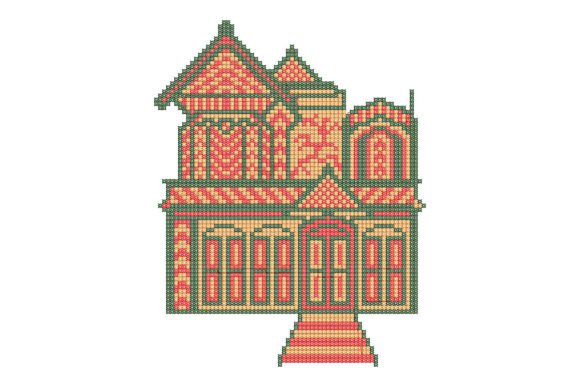
As an embroidery designer who’s built seasonal collections for over a decade, my first glance at Cross Stitch House landed with quiet confidence—it feels like coming home. This isn’t just another house motif; it carries a warm, nostalgic charm that leans into rustic elegance without sacrificing clarity or stitchability. The design balances fine detail with generous negative space—ideal for holiday storytelling. It reads as festive but not overly themed, making it flexible across Thanksgiving, Christmas, New Year’s, and even spring homecoming collections. Its Cities category roots it in place-based sentiment, yet its universal silhouette invites personalization: add a family name, year, or tiny wreath without crowding the core shape. Emotionally, it evokes safety, belonging, and handmade care—exactly what shoppers seek in a handmade gift during high-intent holiday seasons.
Real-World Holiday Performance: From Etsy Listings to Craft Fair Displays
Cross Stitch House shines where seasonal sellers need versatility most. On sweatshirt embroidery, it anchors relaxed family matching sets—think coordinating crewnecks for grandparents, parents, and kids. As a tote bag design, it adds quiet sophistication to holiday market hauls and teacher appreciation bundles. For kitchen towel embroidery, its clean lines hold up beautifully against textured terry cloth, especially when paired with subtle red-and-cream thread colors. As a pillow cover centerpiece or framed ornament, it becomes heirloom-adjacent—soft enough for baby items, sturdy enough for table linens. And yes, it works flawlessly as an embroidered patch: heat-applied or sewn onto denim jackets, aprons, or backpacks for instant gift-ready appeal.
For Etsy sellers, Cross Stitch House boosts listing performance. Its visual clarity translates well into printable mockups and social media previews—no pixelation, no ambiguity. Shoppers instantly “get” the concept, which shortens decision time during crowded holiday browsing. In craft fairs, it stands out among busier designs—not because it shouts, but because it breathes. Pair it with natural fabrics and earthy thread palettes, and it signals authenticity and intentionality—key drivers of customer trust in small shop products.
Where to Use Cross Stitch House Thoughtfully
Even strong designs need context-aware application. With Cross Stitch House, avoid cramming it into ultra-small hoop sizes (under 3.5 inches) unless you’re willing to simplify details manually—the chimney, window panes, and roofline rely on legible spacing. Tiny lettering (e.g., adding “Est. 2024”) should be tested separately; don’t assume it scales cleanly. On thick towels or dense canvas, increase stabilizer layers—lightweight cutaway works best for consistent stitch density. Dark fabric demands careful thread colors: test ivory, charcoal gray, or metallic gold before mass production. Avoid using it on highly stretchy garments (like ribbed knits) without proper backing—and never skip stabilizer on curved caps or baby onesies, where puckering undermines perceived value.
Seasonal Appeal, Emotional Resonance, and Product Value
Holiday shoppers don’t just buy objects—they buy meaning. Cross Stitch House delivers that quietly. It taps into deep-rooted associations: hearth, heritage, gathering, shelter. That emotional resonance lifts perceived product value, allowing you to price thoughtfully—not just for labor, but for sentiment. When bundled with a handwritten note or packaged in kraft box with twine, it transforms from a personalized gift into a memory anchor. Visually, its clean silhouette ensures visual recognition across platforms: whether stitched on an apron or featured in an Instagram carousel, customers remember the shape. For shops building brand consistency, it serves as a reliable anchor—pair it seasonally with snowflakes, holly, or sunbursts while keeping the house constant. That continuity builds familiarity and repeat engagement during peak shopping windows.
Practical Designer Notes for Holiday Production
Before adding Cross Stitch House to your seasonal lineup, run these checks:
- Test thread colors on both light and dark fabric swatches—especially if selling finished apparel or home goods.
- Review stitch density in the roof and window areas; high density can cause stiffness on lightweight cotton or linen.
- Confirm hoop size compatibility with your primary machines—and verify how much real estate the design occupies once centered.
- Use proper stabilizer: medium-weight cutaway for stable fabrics; tear-away + topping for towels or napped surfaces.
- Create realistic mockups showing actual fabric texture—not just flat white backgrounds—to set accurate customer expectations.
- Inspect small details post-stitch: ensure chimney edges and window mullions remain crisp after trimming and washing simulation.
- Plan matching color palettes across your collection—e.g., sage green thread + cream towel + linen pouch = cohesive holiday bundle.
- Confirm commercial licensing before selling finished seasonal products. If unclear, reach out to the source—never assume rights extend to resale of embroidered goods.
Remember: Cross Stitch House isn’t just a machine embroidery design—it’s a seasonal storytelling tool. Whether you’re sourcing a digital embroidery file for your next holiday drop or curating a limited edition small shop product, this design earns its place through reliability, warmth, and quiet craftsmanship. It supports your goals—not by shouting trends, but by holding space for what matters most this season: home, heart, and handmade intention.