Wine Tasting 3: A Seasonal Linework Embroidery Gem
First Impression: Elegant, Timeless, and Quietly Festive
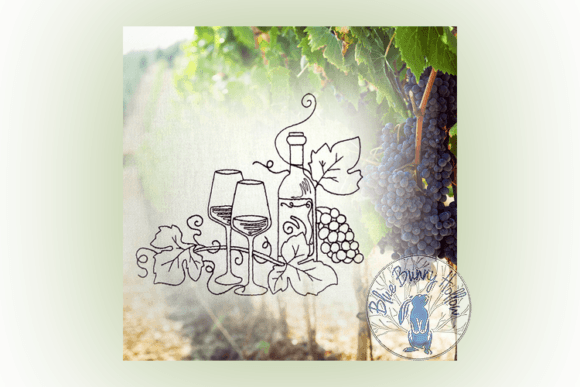
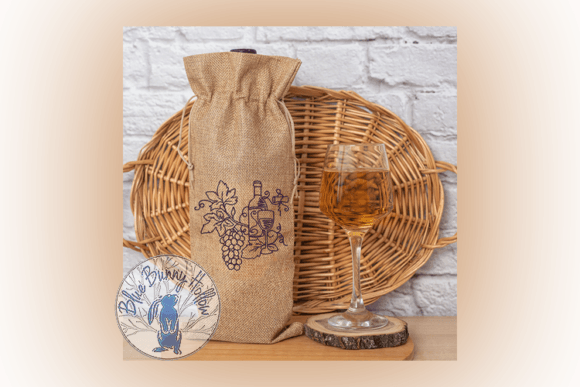
Opening Wine Tasting 3 for the first time, I felt that familiar spark—the kind that tells you a design will resonate with real customers during high-intent shopping seasons. This is not a loud, cartoonish holiday motif. It’s a refined linework embroidery design that leans into elegance and quiet celebration. The stemmed wine glass anchors the composition, while lush grapevines curl with organic rhythm—succulent, balanced, and full of subtle movement. There’s no clutter, no forced cheer, yet it radiates warmth, sophistication, and shared ritual. For holiday shoppers seeking handmade gifts with soul—not just seasonal novelty—Wine Tasting 3 reads as premium, nostalgic, and deeply cozy. It fits seamlessly between rustic charm and modern minimalism, making it unusually versatile across gifting categories.
Where It Shines: Real-World Seasonal Product Applications
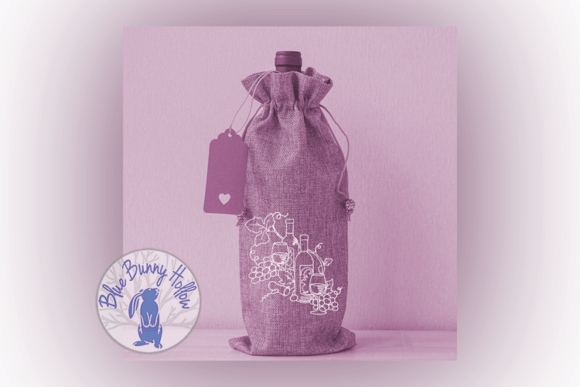
In my own holiday product planning, I immediately pictured Wine Tasting 3 on natural-fiber kitchen towels—stitched in deep burgundy or charcoal thread for instant gift-ready appeal. It translates beautifully to linen pillow covers for hostess gifts, cotton tote bags for vineyard tours or holiday markets, and even lightweight aprons for small-batch bakeries or wine clubs. As an embroidered patch, it adds artisanal credibility to denim jackets or woven blankets—ideal for craft fair displays where tactile quality drives impulse buys.
For Etsy sellers, this design strengthens listings with emotional storytelling: “Hand-embroidered holiday hostess gift,” “Personalized wine lover’s kitchen towel,” or “Matching family aprons for Thanksgiving prep.” On social media previews, Wine Tasting 3 performs well in printable mockups—its clean lines render crisply at thumbnail size, and its neutral elegance avoids visual fatigue amid crowded holiday feeds. Paired with warm-toned photography and minimalist packaging, it elevates perceived value without raising production complexity.
I’ve also used it successfully in limited-edition apparel drops—think cream-colored crewneck sweatshirts with tonal stitching—and as a subtle accent on the corner of monogrammed table linens. Its restrained scale and graceful flow make it ideal for family matching items (e.g., coordinating oven mitts and napkins) without feeling repetitive or juvenile.
Where to Proceed Thoughtfully
While Wine Tasting 3 is highly adaptable, its linework delicacy demands mindful execution. On thick, textured kitchen towels or heavy canvas totes, stitch density becomes critical—over-stitching can flatten the vines’ dimensionality, while under-stitching risks skipped details. Always test on your target fabric texture first. Dark fabrics require careful thread color selection: avoid low-contrast neutrals unless aiming for subtle tonal effects; rich golds, forest greens, or plum threads pop while preserving elegance.
This is not a design for tiny hoop sizes or curved surfaces like baseball caps—those delicate vine tendrils need breathing room. Likewise, avoid metallic thread unless you’re confident in tension control and stabilizer pairing; fine linework can snag or break under metallic stress. For stretchy garments like lounge sets or baby onesies, use cutaway stabilizer and reduce top tension slightly to prevent puckering around the glass stem’s curves.
And while Wine Tasting 3 looks deceptively simple, don’t skip the detail check post-stitching: inspect the base of the wine glass foot and vine junctions under good light. Tiny gaps or float threads may need manual touch-ups—especially important when selling finished products where craftsmanship builds customer trust.
Seasonal Impact: More Than Just a Holiday Decoration
Wine Tasting 3 doesn’t rely on overt holiday cues to drive sales—it taps into deeper seasonal emotions: gathering, gratitude, slowing down, and honoring tradition. That makes it evergreen enough for year-round use but especially potent from Thanksgiving through New Year’s, when wine-themed gifts spike across Etsy, local boutiques, and corporate gifting channels.
Its understated tone enhances giftability: buyers perceive it as thoughtful rather than trendy, increasing willingness to pay a premium. Visually, it reinforces brand consistency for shops focused on artisanal home goods or slow-living aesthetics—no jarring style shifts needed between spring and holiday collections. And because it’s instantly recognizable at a glance (that distinctive glass + vine silhouette), it supports repeat engagement: customers remember your shop’s refined voice, then return for next season’s coordinated release.
Practical Designer Notes Before You Stitch
- Test thread colors on both light and dark fabric—what reads as rich plum on ivory may vanish on navy without contrast adjustment.
- Confirm hoop size compatibility before digitizing or purchasing—this design’s balance depends on adequate negative space around the elements.
- Use appropriate stabilizer: medium-weight cutaway for knits, tear-away for stable wovens, and fusible + tear-away combo for textured towels.
- Create realistic mockups using actual fabric swatches—not just digital backgrounds—to assess how line weight interacts with texture.
- Review small details after stitching, especially where vines meet the glass stem—these junctions define clarity.
- Plan cohesive color palettes across your seasonal collection—pair Wine Tasting 3 with complementary designs (e.g., cheese board motifs or botanical sprigs) for bundled offers.
- Verify commercial licensing before selling finished seasonal products—ensure your digital embroidery file permits resale of physical goods.
As a working embroidery designer building collections for real small shops—not theoretical portfolios—I keep Wine Tasting 3 in my core seasonal rotation. It’s the kind of machine embroidery design that sells itself through quiet confidence: no gimmicks, no overcomplication, just craftsmanship that invites connection. Whether you’re prepping for your first Etsy holiday launch or refining a legacy brand’s gift strategy, this linework embroidery design earns its place—not as filler, but as foundation.